Lower Back Pain From Sitting All Day? | EnerHealth Toronto
Why Sitting All Day Causes Lower Back Pain
Long stretches of sitting put sustained pressure on the discs and muscles that support the lower spine, while the hip flexors shorten and the core muscles that normally help stabilize the back stay switched off for hours at a time.
That combination — pressure on the spine plus weaker support around it — is one of the most common reasons desk-based workers develop lower back pain that gradually gets worse across a workday, rather than pain from a single obvious injury.
Common Signs It's Posture- or Sitting-Related
Pain that's mild in the morning but builds by mid-afternoon
Stiffness when standing up after sitting for a while
Discomfort that eases with movement, then returns once you sit back down
Tightness that seems to sit right at your beltline or just above it
If that pattern sounds familiar, it doesn't confirm a diagnosis on its own — but it's exactly the kind of pattern a chiropractic assessment is built to investigate.
What a Chiropractic Assessment at EnerHealth Actually Checks
At EnerHealth, a chiropractic visit starts with a conversation about your daily routine — how long you sit, what your workstation looks like, and when the pain tends to show up — because that context shapes what the practitioner looks for next.
From there, the assessment typically includes a look at posture, spinal and joint mobility, and how well specific movements are tolerated, aimed at identifying what may be contributing to the pain rather than just noting where it hurts.
What Chiropractic Care May Involve After the Assessment
Chiropractic care at EnerHealth uses gentle spinal and joint adjustments aimed at easing tension and supporting the body's own healing process, along with guidance on movement and posture specific to what your assessment found.
Every plan is customized — there's no single fixed protocol for desk job back pain, because what's driving one person's discomfort may be different from what's driving someone else's, even with a similar day-to-day routine.
Simple Habits Worth Trying in the Meantime
Set a reminder to stand or walk for a minute or two every hour
Keep your screen at eye level so you're not tilting your neck forward for hours
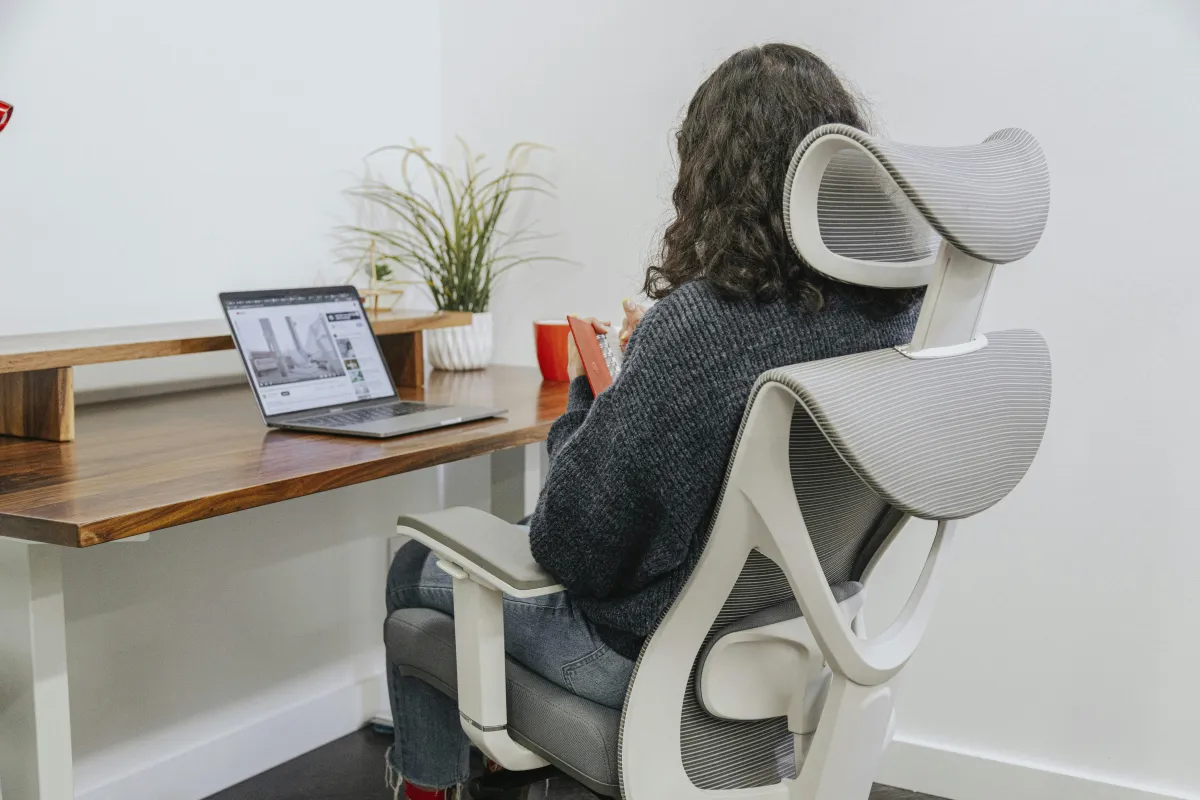
Adjust your chair so your knees sit roughly level with your hips
These are general habits, not a treatment plan on their own. If the discomfort keeps coming back despite changes like these, that's a reasonable signal to have it properly assessed.
Frequently Asked Questions
Why does my lower back hurt more by the end of the workday?
Sustained sitting puts steady pressure on the lower spine while the muscles that normally support it stay inactive, so discomfort often builds gradually across the day rather than appearing all at once.
Can a chiropractor help with pain that's caused by sitting too much?
A chiropractic assessment looks at posture, joint mobility, and movement patterns to help identify what may be contributing to the pain, and any care plan that follows is based on what that assessment finds.
What happens at a first chiropractic visit for back pain?
The visit starts with a conversation about your symptoms and routine, followed by a physical assessment. In most cases, treatment can begin the same day once your practitioner has explained what they found.
Is desk-related back pain something I should just live with?
Ongoing discomfort is worth having looked at rather than managed indefinitely on your own — an assessment is a low-commitment way to understand what's actually going on.
Call to Action
If lower back pain has been building through your workday, book a chiropractic assessment at EnerHealth to find out what's actually going on.
